
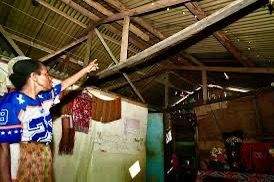
Papua – The government continues to accelerate efforts to fulfill the needs of decent housing for the community, especially low-income communities (MBR), through the Self-Help Housing Stimulation Assistance (BSPS) program or known as the home surgery program. In 2026, this program experienced a significant increase with a national target of reaching 400,000 housing units, a drastic increase from 45,000 units in the previous year.
The Minister of Housing and Residential Areas (PKP), Maruarar Sirait, said that from the total national target, around 21,000 housing units were allocated for the Papuan region. This step is part of the government’s commitment in encouraging equitable development, especially in areas that still need more attention in the provision of decent housing.
The BSPS program itself not only focuses on the physical development of the house, but also encourages active community participation in the process of repairing their homes on their own. With this approach, it is hoped that the community will not only receive assistance, but also have a sense of responsibility and ownership towards the built residences.
The implementation of the program in Papua is considered to have a strategic impact, considering that there are still many people living in uninhabitable homes. Through this program, the government seeks to improve the quality of life of the community by presenting healthier, safer housing, and meeting the basic standards of feasibility.
In addition, the home surgery program is also expected to be able to encourage local economic growth, because it involves local labor and the use of building materials from the surrounding area.
With a significant increase in the amount of aid in 2026, the government is optimistic that the BSPS program can be one of the effective solutions in reducing the number of uninhabitable houses, while accelerating the equal distribution of development throughout Indonesia, including Papua.
In the future, the government emphasizes that it will continue to expand the range of this program so that more people will feel the direct benefits of the state’s presence in fulfilling the basic needs of a decent and sustainable place to live.
