
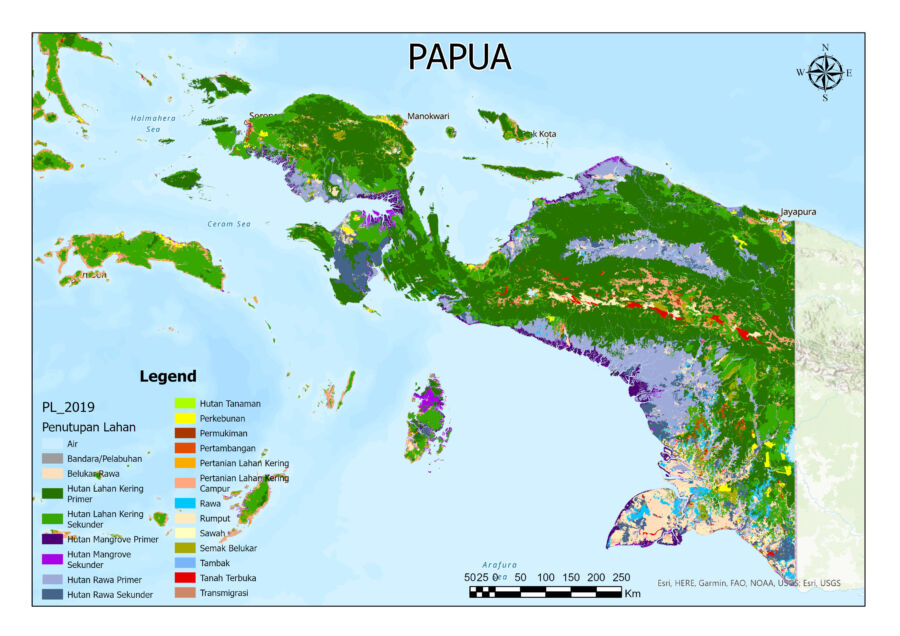
Papua- Papua is a region in Indonesia which is famous for its natural beauty and cultural diversity. Located in the eastern part of Indonesia, this island is the second largest island in the world after Greenland. To understand more deeply about Papua, let’s look at an explanation of the map of Papua and its cultural diversity.
Map of Papua
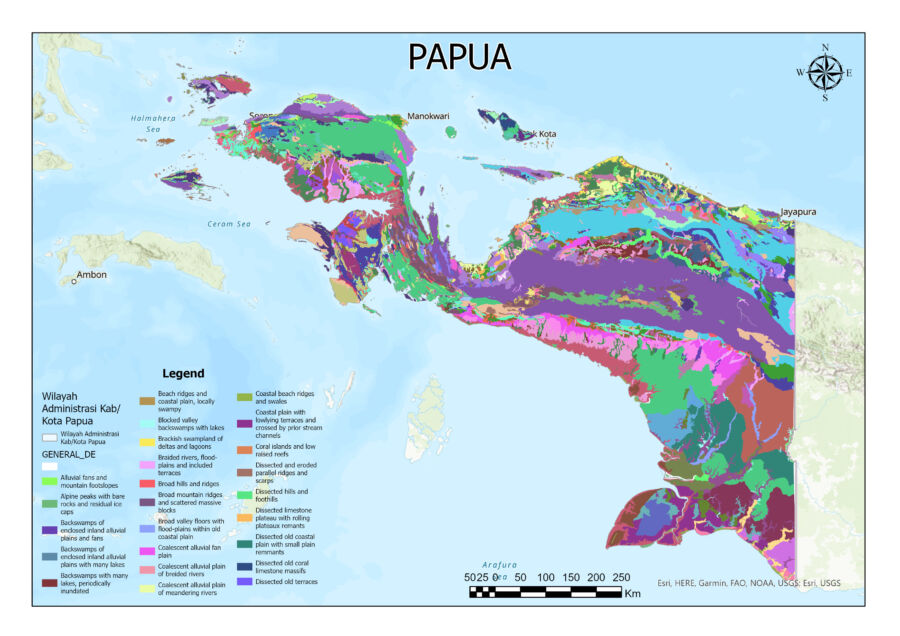
Papua has unique territorial boundaries. To the east, Papua borders Papua New Guinea. The northern part borders the Pacific Ocean and the Philippine Sea, the western region borders the Arafuru Sea and the Banda Sea, while the southern part borders the Arafuru Sea. The area of Papua reaches around 808,105 square kilometers with a population of around 13 million people.
Papua was previously known as Irian Jaya until 2000 when President Abdurrahman Wahid changed the name to Papua.
Papuan Cultural Diversity
Papua has a rich and varied cultural diversity, reflecting the rich traditions and uniqueness of its people. The following are some of the main aspects of Papua’s cultural diversity:
- Traditional Clothing
Papuan traditional clothing is different for men and women. Men usually wear headdresses, belts, tasseled sarongs, and necklaces made from animal bones or teeth. Meanwhile, women wear tasseled clothes for tops and bottoms, as well as necklaces made of animal teeth or shells.
- Traditional House
The traditional Papuan house known as Honai has a unique shape like a mushroom. This house is made from natural materials and consists of two floors. The lower floor is used as a place to rest, while the upper floor functions as a storage and gathering area. Even though it is small in size with a diameter of around 5 meters and a height of 5 meters, this house can accommodate up to 10 people.
- Traditional Dance
Papuan traditional dances include various types, each of which has its own meaning and function:
- Sajojo Dance: A symbol of a sociable society.
- Musyroh Dance: Performed in traditional ceremonies to honor someone who died unnaturally.
- Yospan Dance: Often performed at official events.
- War Dance: Shows heroism and fighting spirit.
- Traditional Weapons
Traditional Papuan weapons include daggers made from cassowary bones and arrows and bows used for hunting. These weapons not only have a practical function, but also have symbolic value in the lives of the Papuan people.
Papua is not only rich in natural resources but also has an extraordinary cultural heritage. This cultural diversity reflects the rich traditions that have been passed down from generation to generation. By getting to know the map of Papua and its cultural diversity, we can better appreciate and understand the rich culture that Indonesia has.
This article provides a general overview of the map of Papua and its cultural diversity. To better understand every aspect of Papuan culture, research and direct visits to the area can provide a richer and deeper experience.
