
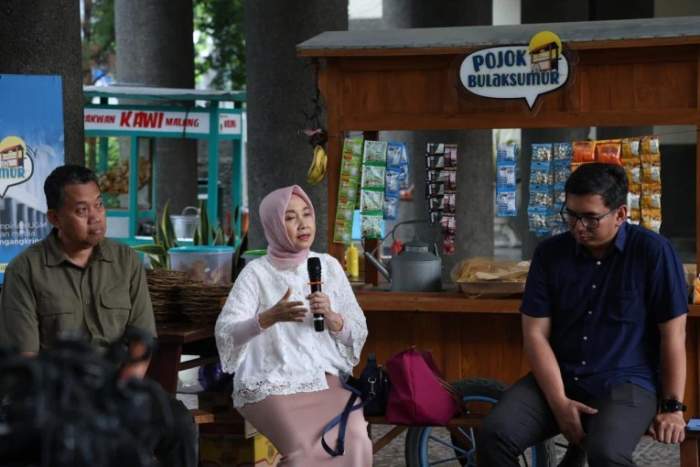
As the peak rainy season is expected to occur from November 2025 to February 2026, experts are warning that several areas in Indonesia are on high alert for potential landslides and severe flooding. Professor Dwikorita Karnawati, a senior expert from the Faculty of Geological Engineering and Environment at Gadjah Mada University, stated that current weather conditions and heavy rainfall could trigger extreme events in vulnerable regions.
She cited recent incidents of landslides and floods in West Sumatra, North Sumatra, and Aceh as indicators that other regions with similar geographical features are also at high risk. “Hilly and steep areas, land-use changes, and active tectonic zones with fragile geology are all highly susceptible to disasters,” she explained on Friday (12/5).
Professor Dwikorita emphasized that debris flows—mixtures of soil, rocks, wood, and sediments—can travel at high speeds during heavy rains in mountainous areas. These materials can destroy settlements and infrastructure in seconds, necessitating special attention and preparedness for communities living along rivers and under cliffs. She highlighted the importance of early warning systems from BMKG and strengthening community readiness for quick response.
Based on BMKG data, the trend of cyclone seeds and tropical cyclones tends to increase from December through March and April. These phenomena are more common in the southern hemisphere, so southern regions near the equator, including Java, Bali, Nusa Tenggara, South and Southeast Sulawesi, Maluku, and southern Papua, should be alert for heavy rains that could trigger disasters.
To anticipate the expanding risks, Prof. Dwikorita advised local governments to promptly re-identify red zones and restrict human activities in these areas during warning periods. Additionally, preparing evacuation routes and safe shelters must be prioritized, especially for vulnerable groups such as persons with disabilities, the elderly, pregnant women, and children.
Another critical step is for local authorities to have contingency plans in place, including logistics supplies for three to six days, first aid facilities, secure storage of important documents, and strengthened communication networks. Availability of evacuation equipment and heavy machinery should also be ensured to facilitate rapid emergency response.
Prof. Dwikorita stressed that cross-agency coordination is vital to enhancing preparedness. Collaboration with BMKG and BNPB, including potential weather modification operations if necessary, could help reduce extreme rainfall in critical areas. She added that this cooperation would accelerate response efforts and minimize losses in the field.
She concluded by warning that the recent disasters in Sumatra serve as a serious alert from nature. Mitigation efforts must be ongoing and grounded in environmental protection, including ecosystem restoration, land use management, and controlled development. “Disaster mitigation should be a long-term strategy rooted in environmental conservation to create a better and sustainable civilization,” she emphasized.
Finally, Prof. Dwikorita urged all parties to act quickly and collaboratively to face the threat of extreme weather in the coming months. She reminded that unstable atmospheric conditions could worsen risks in vulnerable areas if not properly addressed. Cooperation among government agencies, communities, and related institutions is crucial for effective risk reduction and disaster management.
